Crates and Parts in Make Bikes
Order crates, spot rare drops, and keep inventory ready for the bay.
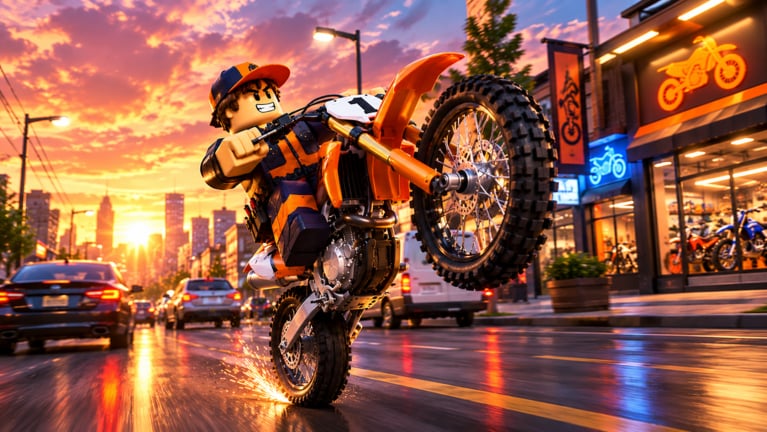
Crates are the parts faucet in Make Bikes. You order them, open them, and feed frames, wheels, engines, and cosmetics into the assembly bay. Rare and mutated parts hide in that same flow, which means inventory habits decide whether a god-roll upgrade becomes a bike or disappears under clutter. This guide covers ordering cadence, drop mindset, and storage discipline. Connect it to How to Build Bikes for mounting order, How to Make Money for spend limits, and Getting Started if you still need to claim FIRSTGEAR.
Make it Interactive built a loop where crates are not a side gacha—they are the production input. Without parts, paint and buyers do nothing. With too many unopened or unsorted crates, the workshop feels rich and still fails to sell. Aim for just-in-time stock: enough to keep one or two complete bikes flowing, not a museum of sealed boxes.
Ordering crates without starving or flooding the bay
Order a crate when you can assemble and sell what you expect to pull, or when free crates arrive from codes and gifts. Do not order purely because the button is available. Each paid crate should have a plan: fill gaps for the next bike, chase a slot upgrade, or restock after a sell streak.
Early game, prefer opening what you have before stacking more orders. Mid game, you can pipeline a crate while staff handle paint or handoff—but only if inventory remains searchable. If you cannot find last crate—wheels, you are not ready for another order. Rebirth expands workshop capacity and looks from timber shed toward Godspeed Gold; until then, tight ordering beats hoarding. Details on stations and timing live in Rebirth and Workshop.
Always redeem free crate sources first. FIRSTGEAR and future promos are listed on the codes hub. Group like free gifts belong in the same “open before buying” bucket.
Rare and mutated parts: excitement with rules
Rare and mutated parts are the thrill of crate opening. They can define a keeper bike for Highway wheelie lines or lift a sell build above average. Rules keep the thrill profitable:
- Identify the slot the part fills before celebrating.
- Compare it to what is already on your active bay bike.
- If it is strictly better for sell or ride goals, mount it on the next complete build.
- If it is situational, park it in a clearly named inventory zone so you can find it later.
- If it is duplicate fluff, route it through economy bikes rather than letting it clog space.
Use the tier list, best parts, and best builds pages when you are unsure whether a drop is actually meta or just shiny. Do not freeze the workshop for thirty minutes admiring a part while buyers wait.
Inventory habits that save real time
Good inventory practice is boring and powerful. After every crate open, sort in one pass: ready-to-mount pieces near the bay workflow, cosmetics separated, junk flagged for sell-through builds, and true keepers marked mentally or by placement. Avoid scattering identical wheels across random piles.
Before starting a bike, scan inventory for the best available piece per critical slot. Many players assemble with the first part they see, then discover a stronger engine after the bike is painted. That is a self-inflicted nerf. A ten-second scan beats a wasted paint cycle.
When inventory feels full, stop ordering, build sellable bikes from leftovers, and only then reopen the crate shop. Clutter is a hidden tax on every session.
Linking crates to rides and sales
Parts exist to leave the shelf. Economy parts become quick sellers. Strong parts become personal ride bikes for tricks and combos on Sand Dunes, Timber Ridge, the MX Track, or Highway—see Riding and Tricks. Cash from both paths buys the next crate. If ride income is high but parts are gone, cut the ride short and restock. If crates are plentiful but cash is low, stop opening vanity boxes and sell.
Staff help when crate volume rises: someone has to keep assembly moving while you open and sort. Hire with the money guide—caution, not with crate-fever optimism.
Practical crate session template
- Redeem codes and claim free crates.
- Open one crate; sort immediately.
- Build and paint one complete bike using best available slots.
- Sell; note cash.
- Decide: another crate, staff, short ride, or stop.
- Never end on unsorted inventory.
Common crate mistakes
Ordering three crates while two unfinished frames block the bay. Ignoring FIRSTGEAR. Treating every mutated cosmetic as sacred. Refusing to sell bikes that use “okay” parts while waiting for perfect rolls. Forgetting that patch notes on updates can change drop feel over time.
Stay calm, stay sorted, and let crates serve the bay. For the wider walkthrough map, return to the Guides Hub. For definitions and community context, use the wiki overview and players. If you experiment with helpers, read scripts carefully and keep the natural crate-to-sell loop intact.
Frequently Asked Questions
Quick answers for Make Bikes players.
How do I get parts in Make Bikes?
Order and open crates, including free crates from codes like FIRSTGEAR and any group gift rewards. Parts then move into the assembly bay for builds and sales.
What are rare and mutated parts?
They are higher-impact drops from crates that can upgrade sell appeal or ride performance. Sort them clearly, compare to your current best pieces, and mount them on complete bikes instead of leaving them buried.
Should I open every crate immediately?
Open free crates early. For paid crates, open when you can assemble and sell the results. Avoid stacking unopened stock if inventory is already messy.
How do I keep inventory under control?
Sort after every open, stage ready-to-mount parts for the next bike, separate cosmetics, and build sell-through bikes when space gets tight before ordering more crates.
Where should I check which parts are worth keeping?
Use the Tier List hub plus Best Parts and Best Builds pages, then verify in your own sell and ride results after patches.